
Dani Kubrusly

Orange County

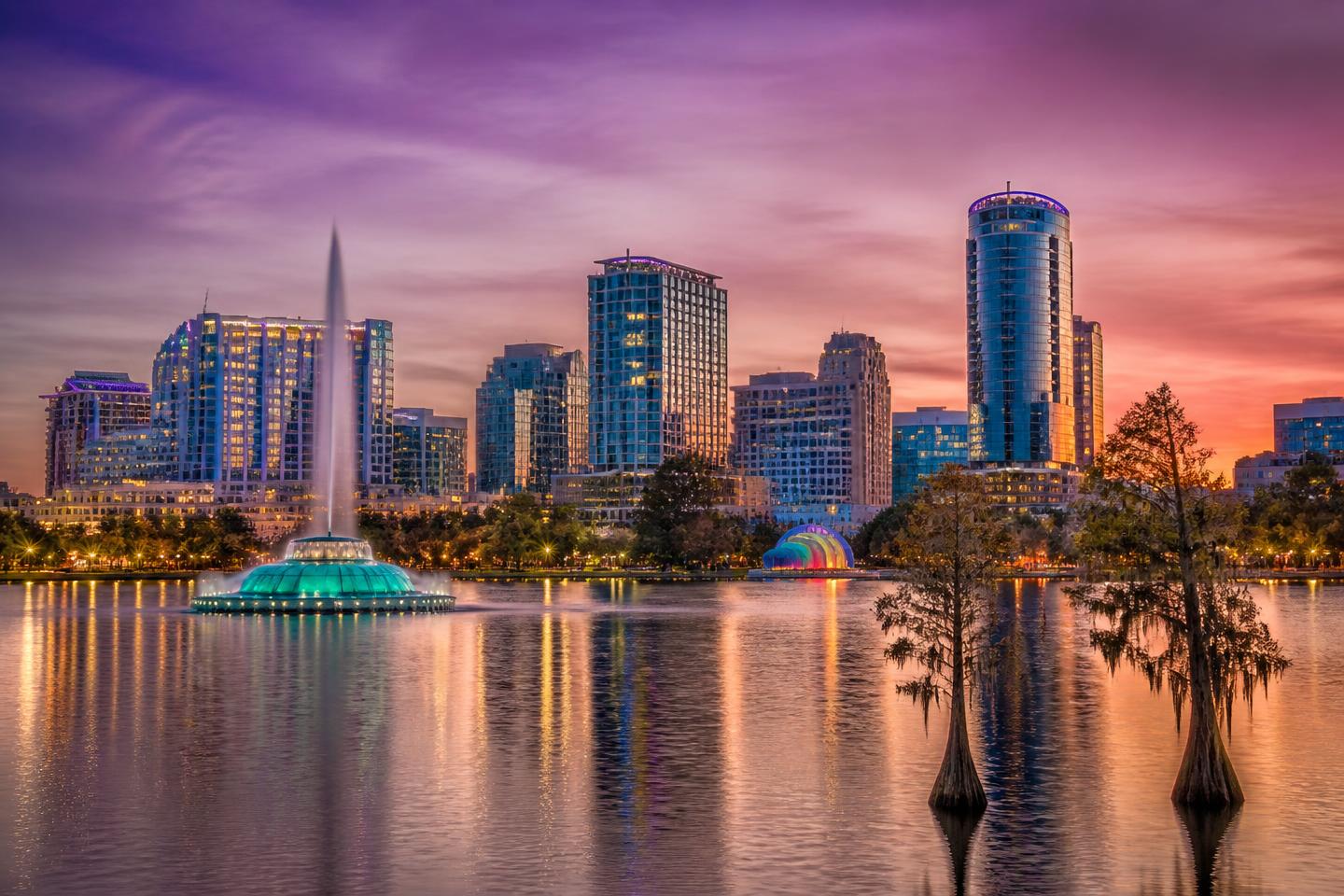
Downtown Orlando

Greater OrlandoCentral Florida

The urban core of the metro: high-rise condominiums, historic districts around Lake Eola, offices, courts, hospitals and the region's densest nightlife.

Talk to Dani

Identity

Downtown mixes towers with early-twentieth-century bungalow districts a few blocks away. It is the only part of Central Florida where a day without a car is genuinely possible, and it carries the noise, density and event traffic that come with that.

Location and access

At the intersection of I-4 and SR-408, with SunRail running north–south through the centre.

Everyday life

Walking is realistic for work, dining and the lake; groceries and larger errands still often mean a car.

  • Lake Eola Park and the weekly farmers market.
  • Dr. Phillips Center for the Performing Arts and Kia Center.
  • Historic districts such as Thornton Park and Lake Cherokee.
  • SunRail stations serving the north–south corridor.

Housing

  • High-rise and mid-rise condominiums with varying association structures.
  • Historic bungalows and rebuilt homes in the surrounding districts.
  • Purpose-built rental buildings across the core.

New construction

New supply is vertical and infill: individual buildings rather than phased subdivisions, each with its own rules on rentals and pets.

Getting around

Walkable core, plus SunRail, Lynx buses and the free Lymmo circulator; parking is a real cost consideration.

Honest trade-offs

What you accept when you choose this area.

Trade-offs

  • Event nights bring noise and closed streets.
  • Condominium fees and building reserves vary enormously.
  • Historic homes mean older systems and stricter renovation rules.

Next step

A thirty-minute conversation.

Goals, budget, timing and the regions that fit you — with no obligation.

Talk to Dani